Views: 0 Author: Site Editor Publish Time: 2026-09-22 Origin: Site


Kitchen fixtures have advanced past standard stainless steel. New surface technologies offer better durability, unique aesthetics, and improved hygiene. Buyers and specifiers face a hard choice between the proven reliability of a brushed finish and the hydrophobic claims of a nano coating. Misunderstanding the material science behind these finishes leads to premature wear, maintenance failures, mismatched hardware, and poor return on investment for high-end kitchen builds. Selecting the wrong surface turns a luxury kitchen centerpiece into a maintenance headache.
This guide provides an objective, evidence-based comparison of nano and brushed finishes. We evaluate material composition, long-term durability, acoustic performance, maintenance realities, and sourcing criteria to finalize your procurement decision. You will learn exactly how these materials behave in real-world environments.
Hydrophobic & Hygienic Performance: Nano coatings utilize a microscopic layer (often applied over PVD) to create a "lotus effect," repelling water, oil, and bacterial buildup significantly better than untreated brushed steel.
Wear and Tear Realities: While a brushed stainless steel sink naturally hides micro-scratches within its grain, a deep scratch on a dark nano sink will expose the silver steel beneath, making damage more visible.
Maintenance Requirements: Nano sinks require non-abrasive cleaning to preserve the coating integrity, whereas brushed finishes can tolerate mild abrasives for stain removal and re-graining.
Sourcing Complexity: Procuring a reliable handmade nano sink requires vetting the kitchen sink manufacturer for their specific coating application process (e.g., high-temperature baking vs. simple spray) and material gauge.
A nano kitchen sink relies on advanced surface engineering. The technology involves applying a microscopic polymer or ceramic layer directly onto the stainless steel substrate. This ultra-thin layer alters the surface tension of the metal. It creates a highly smooth barrier that prevents liquids and oils from adhering. The result is a surface that actively repels moisture and residue.
Nano coatings rarely exist in isolation on kitchen fixtures. They typically work in tandem with Physical Vapor Deposition (PVD). PVD is a vacuum coating process that vaporizes solid metals into a plasma. This plasma bonds with the stainless steel at a molecular level to create durable colors like matte black, gunmetal, or gold. The nano layer acts as a clear, protective topcoat over this colored PVD layer. It seals the micro-pores of the metal and enhances the overall visual depth.
Sustainability plays a major role in modern manufacturing choices. High-quality PVD and nano applications are environmentally friendly vacuum deposition processes. They produce virtually no hazardous waste. This sharply contrasts with traditional toxic electroplating, which relies on heavy metal baths and harsh chemicals. Buyers focused on green building standards often prefer vacuum-deposited finishes for this exact reason.
The physics behind this technology centers on hydrophobic and oleophobic properties. Hydrophobic surfaces force water to bead up and roll off, carrying dirt away with it. Oleophobic properties do the same for oils and greases. This dual-action resistance drastically reduces the time needed for daily cleaning. It also prevents stubborn food stains from anchoring to the sink basin. When you specify a nano coating kitchen sink, you are paying for this specific fluid-repelling behavior.
The traditional brushed finish relies on mechanical abrasion rather than chemical coatings. Manufacturers use industrial sanding belts and abrasive wheels to score the surface of the raw steel. This process creates a unidirectional satin or brushed grain. The resulting texture diffuses light, giving the metal its signature soft, muted appearance. It is a purely physical finish with no added layers.
A standard brushed stainless steel sink is typically forged from 304 or 316-grade steel. These alloys contain high percentages of chromium and nickel. The brushed finish interacts uniquely with the raw material's passive chromium oxide layer. When the steel is scratched, the chromium reacts with oxygen in the air to instantly form a new protective barrier. This self-healing property prevents rust and corrosion entirely.
Because the finish is mechanical, it runs deep into the surface of the metal. There is no topcoat to peel, flake, or wear thin over time. The structural integrity of the steel itself provides the defense against daily abuse. This makes brushed finishes incredibly predictable. Installers and fabricators know exactly how the material will behave year after year, even in the most demanding culinary environments.
Manufacturing methods dictate the final quality of any sink. Handmade sinks feature welded construction. Artisans fold and weld thick sheets of steel to create tight, zero-radius corners. These sinks typically use robust 16-gauge steel. Machine-pressed sinks are drawn from a single sheet of metal using massive hydraulic presses. This drawing process stretches the metal, often requiring thinner 18-to-20-gauge steel to prevent tearing.
The structural integrity of a handmade nano sink is vastly superior. The thicker 16-gauge steel resists flexing and denting when loaded with heavy pots. This rigidity is mandatory for coated surfaces. If the underlying steel flexes under weight, the rigid PVD and nano layers can develop micro-cracks. These invisible cracks allow moisture to penetrate, leading to eventual coating failure and peeling.
Handmade manufacturing allows for precise, controlled application of custom finishes. The flat, uniform surfaces of welded sinks provide an ideal substrate for high-temperature baking. This ensures maximum adhesion of the polymer layer. Machine-pressed sinks with stretched, curved basins often suffer from uneven coating thickness, reducing their overall lifespan and creating weak points where the coating will wear away first.
Kitchen sinks endure brutal daily punishment. Cast iron skillets, sharp chef's knives, and heavy ceramic plates constantly impact the basin. A nano sink handles blunt impacts well, provided the underlying steel is thick enough to resist denting. The ceramic or polymer topcoat offers a hard shell that deflects minor scrapes from utensils and dishes.
Coatings have a fundamental vulnerability. Once a nano layer is breached by a sharp knife or a severe impact, the damage is permanent. If a deep gouge penetrates the dark PVD layer, it exposes the bright silver steel beneath. This creates a stark, highly visible contrast. You cannot easily repair or patch a localized scratch on a coated sink without stripping the entire basin.
The grain of a brushed stainless steel sink naturally camouflages daily micro-abrasions. Scratches that run parallel to the grain become virtually invisible. More importantly, brushed steel allows for localized blending. If a deep scratch occurs, you can use a fine abrasive pad to buff it out, restoring the original grain pattern in minutes. This repairability makes brushed steel the standard for heavy-duty applications.
Hard water environments pose a significant challenge for kitchen fixtures. High concentrations of calcium and magnesium leave stubborn white scale deposits as water evaporates. A nano sink excels in these conditions. The ultra-smooth coating prevents mineral deposits from anchoring to the surface. A simple wipe with a microfiber cloth removes scale that would otherwise require harsh chemical descalers.
The hygienic advantage of this technology is substantial. The lotus effect minimizes standing water. Droplets bead up and roll directly into the drain. By eliminating lingering moisture, nano coatings drastically reduce bacterial proliferation. Microbes struggle to survive and multiply on a dry, non-porous surface that offers no microscopic crevices for them to hide in.
Brushed finishes struggle with water management. The mechanical grain creates microscopic valleys where water pools and evaporates slowly. This leads to frequent water spots and mineral buildup. Maintaining a pristine appearance on a brushed sink requires diligent, frequent wiping and occasional polishing with specialized stainless steel cleaners.
Household cleaning often involves harsh chemicals like bleach, ammonia, or heavy-duty degreasers. Nano coatings face degradation risks when exposed to these substances. Strong solvents can strip the hydrophobic polymer layer, leaving the sink looking dull and reducing its water-repellent properties. Extreme heat, such as placing a glowing-hot pan directly into the basin, can also cause localized thermal shock to the coating.
Bare brushed stainless steel boasts near-indestructible chemical and thermal tolerance. You can pour boiling water, bleach, or acidic cleaners into a brushed sink without fear of structural damage. The metal easily absorbs and dissipates extreme heat. This utilitarian resilience makes raw steel the standard for demanding culinary environments.
Acoustic performance heavily favors premium coated models. Manufacturers often pair handmade nano sinks with thick rubber sound-dampening pads and heavy undercoating sprays. This combination absorbs vibrations effectively. It reduces the tinny noise of running water and clattering dishes. Standard brushed models, especially thinner pressed versions, often sound hollow and loud by comparison.
Performance Metric | Nano Coating Sink | Brushed Stainless Steel |
|---|---|---|
Scratch Repairability | Poor (Permanent damage if breached) | Excellent (Can be re-grained on-site) |
Water & Stain Repellency | High (Lotus effect, beads water) | Low (Prone to water spots and scale) |
Chemical Tolerance | Moderate (Avoid harsh solvents) | Very High (Resists most chemicals) |
Bacterial Resistance | High (Non-porous, dries quickly) | Moderate (Moisture can linger in grain) |
Acoustic Dampening | Excellent (Thick undercoating standard) | Variable (Depends on gauge and pads) |
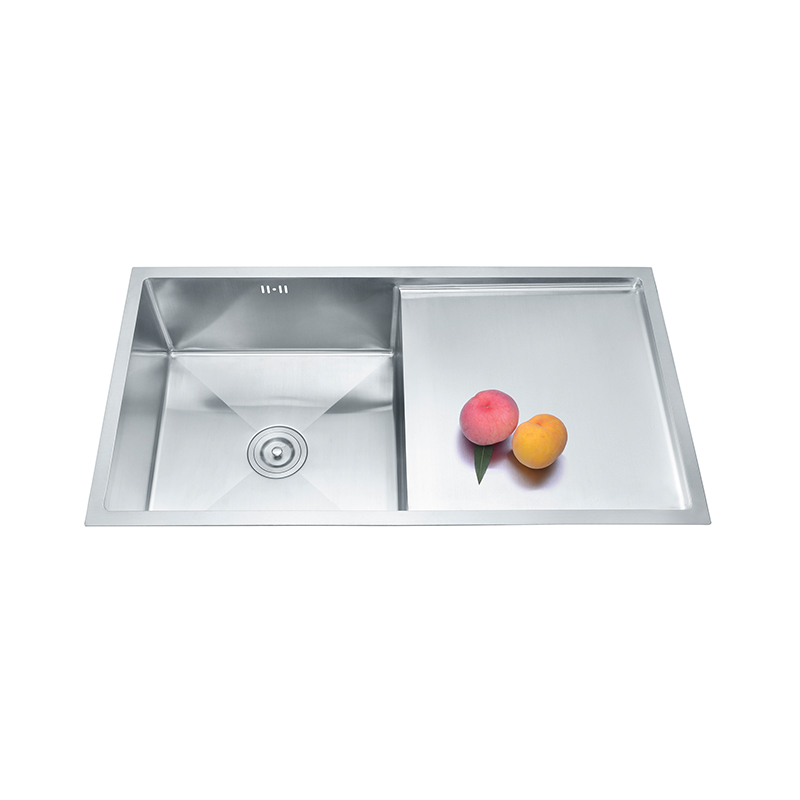
Maintaining a coated sink requires strict adherence to non-abrasive cleaning protocols. You must avoid scouring pads, steel wool, and gritty abrasive powders entirely. Daily cleaning should only involve a soft microfiber cloth and mild dish soap. To further protect the basin bottom from heavy cookware, using a silicone or stainless steel sink grid is highly recommended by installers.
The maintenance routine for brushed sinks is far more forgiving. You can aggressively scrub stubborn food residue without worrying about stripping a topcoat. Homeowners can use specialized stainless steel cleaners and fine abrasive pads to restore the grain periodically. This ability to physically renew the surface ensures the sink remains presentable despite heavy abuse.
Manufacturers have developed hybrid solutions to address the scratch vulnerability of flat coated surfaces. An embossed nano sink features a physical texture, often pressed into a honeycomb or geometric pattern. This texture fundamentally changes how objects interact with the sink basin.
The physical texture elevates cookware above the nano-coated valleys. When you slide a heavy pot across the sink, it only makes contact with the raised peaks of the embossed pattern. This significantly reduces surface friction. It protects the hydrophobic coating in the recessed areas, extending the lifespan of the finish while maintaining the striking dark aesthetic.
Modern kitchen design relies heavily on cohesive hardware integration. The aesthetic advantage of nano and PVD sinks lies in their versatility. Designers can specify a custom sink finish to perfectly match high-end kitchen faucets and cabinet hardware. Options like matte black, brushed gold, gunmetal, and copper allow for seamless visual continuity across the workspace.
Standard brushed stainless steel presents distinct design limitations. Its bright, cool-toned silver appearance often clashes with monochromatic, moody, or warm-toned kitchen palettes. When designing a kitchen with brass fixtures and dark cabinetry, a traditional silver sink can disrupt the visual flow. Coated sinks solve this integration problem effortlessly.
No surface treatment lasts forever under heavy friction. Buyers must understand the realistic timeline for nano coating wear. Depending on daily use and cleaning habits, the hydrophobic polymer layer will begin to thin over 3 to 5 years. While the underlying PVD color remains intact, the sink will gradually lose its extreme water-repellent properties.
Compare this to the lifecycle of a brushed sink. Over a 10-to-20-year period, a brushed sink develops a patina. Thousands of microscopic scratches blend together to soften the original factory grain. While it loses its brand-new luster, it ages gracefully. It remains fully functional and structurally sound for decades without requiring replacement.
Advanced surface technologies command an upfront premium. Coated and custom-finished sinks require expensive vacuum chambers and multi-stage baking processes, driving up initial manufacturing costs. Standard brushed models skip these steps, making them far more economical at the point of purchase. However, initial investment is only one part of the equation.
You must factor in potential replacement costs and labor. If a coated sink suffers catastrophic aesthetic damage, replacing it is highly disruptive. This is especially true in undermount installations beneath expensive quartz or granite countertops. Removing an undermount sink requires breaking epoxy seals and risks damaging the stone. A brushed sink rarely requires replacement due to aesthetic wear, lowering its long-term risk profile.
Procuring reliable fixtures requires strict vetting. When selecting a kitchen sink manufacturer, you must evaluate their technical capabilities. Request technical data sheets detailing coating thickness. Ask for adhesion testing results, specifically the cross-hatch test, which proves the coating will not peel. Demand salt spray test results to verify long-term corrosion resistance.
Watch out for critical red flags. Avoid manufacturers offering budget-grade coated sinks. These products often rely on cold-sprayed paint rather than baked PVD, meaning the finish will flake off within months. Reject any coated sink made from inferior 20-gauge steel. The metal is too thin, and the inevitable flexing will destroy the rigid coating.
Always review the fine print of standard warranty limitations. Most warranties for coated sinks cover manufacturing defects like spontaneous peeling, but strictly exclude scratch damage and chemical stripping. If a cleaning crew uses bleach and ruins the finish, the warranty will not cover the replacement.
Evaluate compliance and suitability based on the environment. Coated sinks are perfect for luxury residential builds where users exercise reasonable care. They are generally unsuitable for high-traffic commercial kitchens. Industrial environments require the absolute resilience and aggressive sanitization capabilities that only raw brushed steel can provide.
Specify a coated sink for luxury residential projects that prioritize unique aesthetics. If the design demands dark colors or exact hardware matching, this is the correct choice. It is ideal for homeowners who despise water spots, value enhanced hygiene, and are willing to commit to low-maintenance, non-abrasive daily wiping. It works best in kitchens where heavy cast iron use is minimal.
Choose a brushed finish for heavy-use residential, industrial, or commercial kitchens. If absolute longevity and chemical resistance are non-negotiable, raw steel is mandatory. It is the only choice for environments where users will aggressively scrub the sink with abrasive pads or use harsh sanitizing chemicals. It prioritizes function and repairability over modern color trends.
Textured sinks serve as the perfect middle ground. They offer the dark, modern finishes of a coated sink but with significantly higher scratch tolerance. By elevating pots and pans above the coated surface, they mitigate the primary weakness of flat nano finishes. Specify embossed models for buyers who want a black or gunmetal sink but worry about damaging it with heavy cookware.
The choice between these two finishes is a direct trade-off. You are balancing the advanced aesthetic and hydrophobic convenience of nano technology against the utilitarian, repairable longevity of brushed steel. Neither option is inherently superior; their success depends entirely on how they align with the user's daily habits and the kitchen's design language.
Base your final decision on the end-user's cleaning habits, the project's visual requirements, hardware integration needs, and the budget for high-quality PVD application. Prioritize structural integrity by insisting on thick, 16-gauge steel regardless of the finish you select.
To ensure a successful installation and long-term satisfaction, follow these next steps:
Request physical material samples from the manufacturer to test scratch resistance and water repellency firsthand.
Review the manufacturer's technical testing certifications, specifically looking for cross-hatch adhesion and salt spray data.
Consult with your stone fabricator regarding installation compatibility, ensuring the chosen sink profile works safely with your specific countertop material.
Establish a clear, written cleaning protocol for the household or maintenance staff to prevent accidental chemical damage.
A: High-quality sinks use baked PVD layers topped with nano polymers, making them highly resistant to blunt impacts and daily wear. They are not scratch-proof. Sharp metal objects, like chef's knives or the rough edges of cast iron pans, can breach the coating. Avoid budget-grade sprayed sinks, as they scratch and peel very easily.
A: Yes. High-quality, factory-baked nano and PVD coatings from reputable manufacturers are entirely non-toxic and food-safe. They enhance food safety. Their hydrophobic nature repels moisture and residue, which actively reduces bacterial growth compared to porous or heavily scratched surfaces.
A: The lifespan depends heavily on manufacturing quality and daily abuse. Typically, the extreme hydrophobic properties will last 3 to 10 years before beginning to diminish. The underlying PVD color layer, if applied correctly, will last the lifetime of the sink unless deeply gouged.
A: No. You must strictly avoid bleach, ammonia, and abrasive sponges like steel wool or rough scouring pads. These will strip the hydrophobic layer and permanently dull the finish. Clean the sink using only mild dish soap, warm water, and a soft microfiber cloth.
A: For heavy daily use, yes. The embossed texture creates physical peaks that elevate cookware above the coated valleys. This drastically reduces surface friction and protects the dark finish from deep scratches, making it much more durable than a flat coated surface.
A: Generally, no. Once a deep scratch penetrates the dark PVD and nano layers, exposing the silver steel beneath, it cannot be seamlessly patched or re-coated on-site. This is why using a protective bottom grid is highly recommended for coated sinks.

